Community-powered circular waste management for climate-resilient cities

WasteLoop helps neighborhoods transform waste into valuable resources through digital waste banking, community participation, and circular economy solutions — reducing waste leakage, lowering greenhouse gas emissions, and creating sustainable livelihoods.

100+
Households
16.32t
Waste collected
IDR 21.9M
In transactions
Piloted in Sukabumi, Indonesia
Households Separation Collection Sorting Waste Bank Recyclers Income + Impact
About WasteLoop

From community action to climate innovation

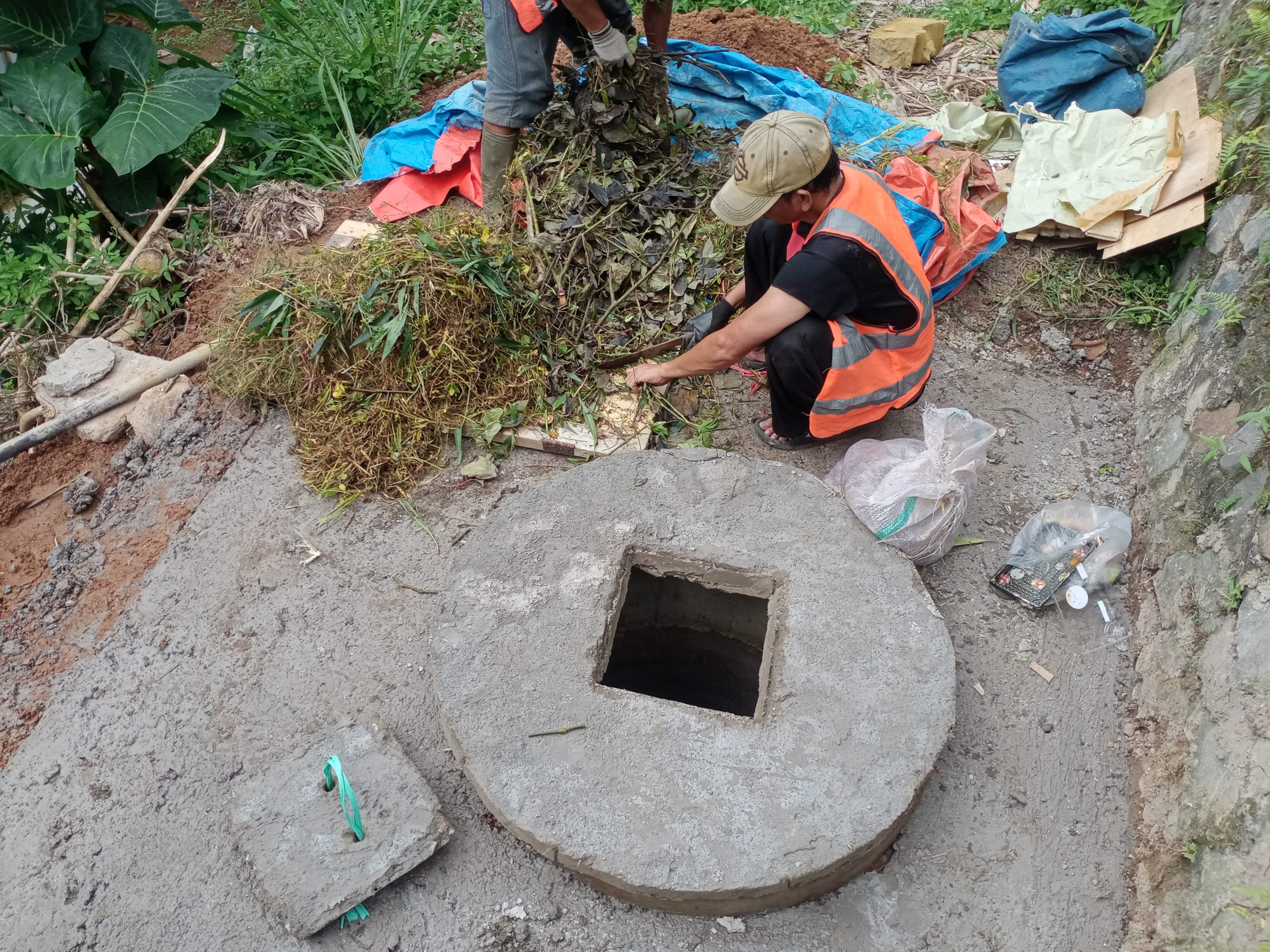
"WasteLoop is a circular economy platform developed and piloted by BSU Mandiri, a community-based waste management organization in Sukabumi, Indonesia."

Our mission is to help cities become cleaner, healthier, and more climate resilient by empowering households to separate waste, recover recyclable materials, and participate in a transparent digital waste banking system.

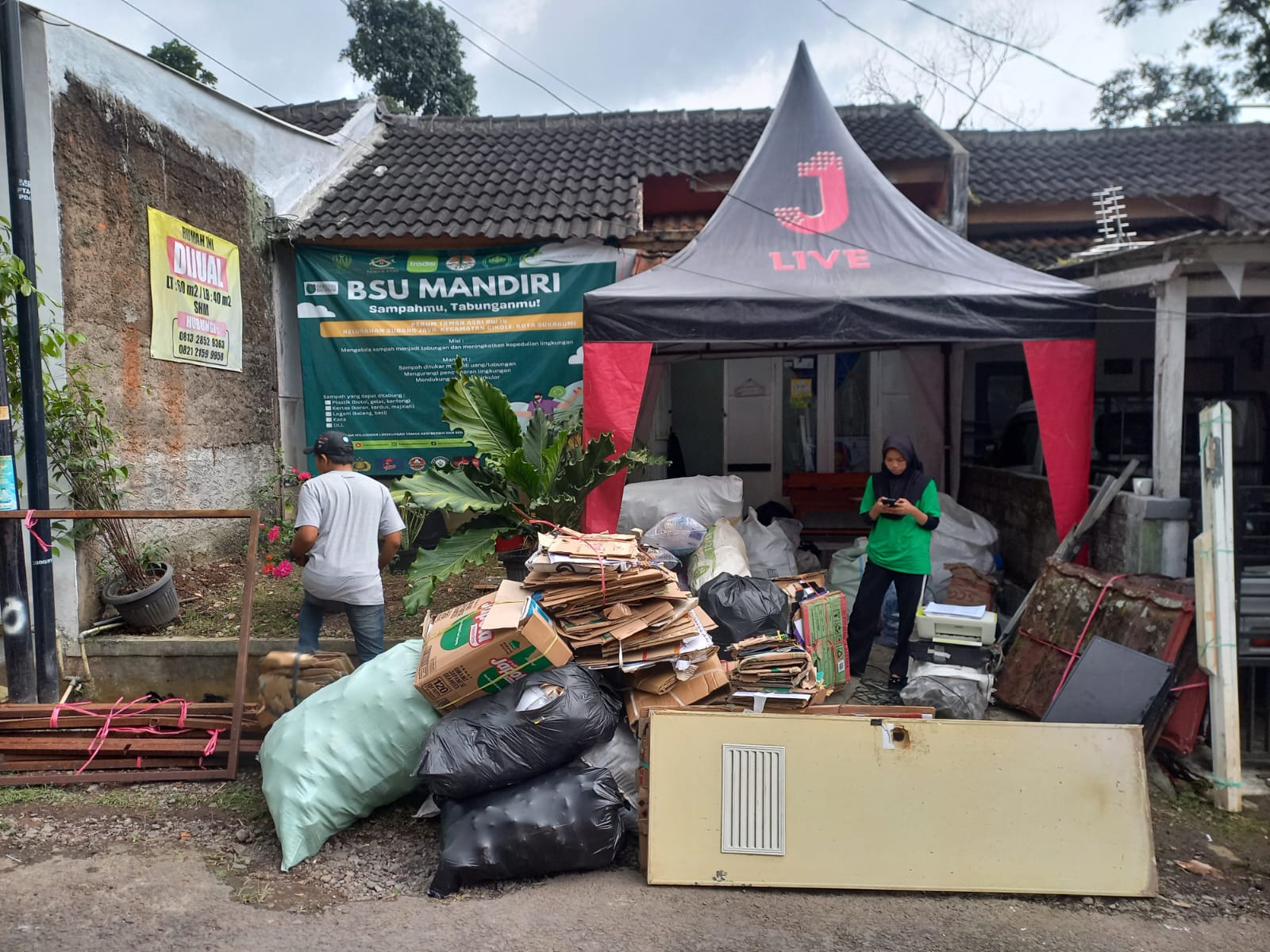
What began as a single-neighborhood initiative in RW 14, Kelurahan Subangjaya is now being built into a replicable platform — pairing grassroots waste banking with the data and digital infrastructure that cities, funders, and corporate partners need to trust and scale community-led climate action.

The Problem

Cities are losing valuable resources

Every day, recyclable materials end up in landfills or rivers because communities lack accessible waste management systems.

Plastic pollution accumulating in neighborhoods and waterways

Flood risks caused by waste-blocked drainage systems

Greenhouse gas emissions from unmanaged organic waste

Loss of recyclable resources that could re-enter the economy

Missed income opportunities for households and waste workers

Our Solution

How WasteLoop works

A closed loop, not a one-way system — waste moves through six stages before returning to households as income and measurable climate impact.

1 2 3 4 5 6 Income + Climate Impact
1

Households

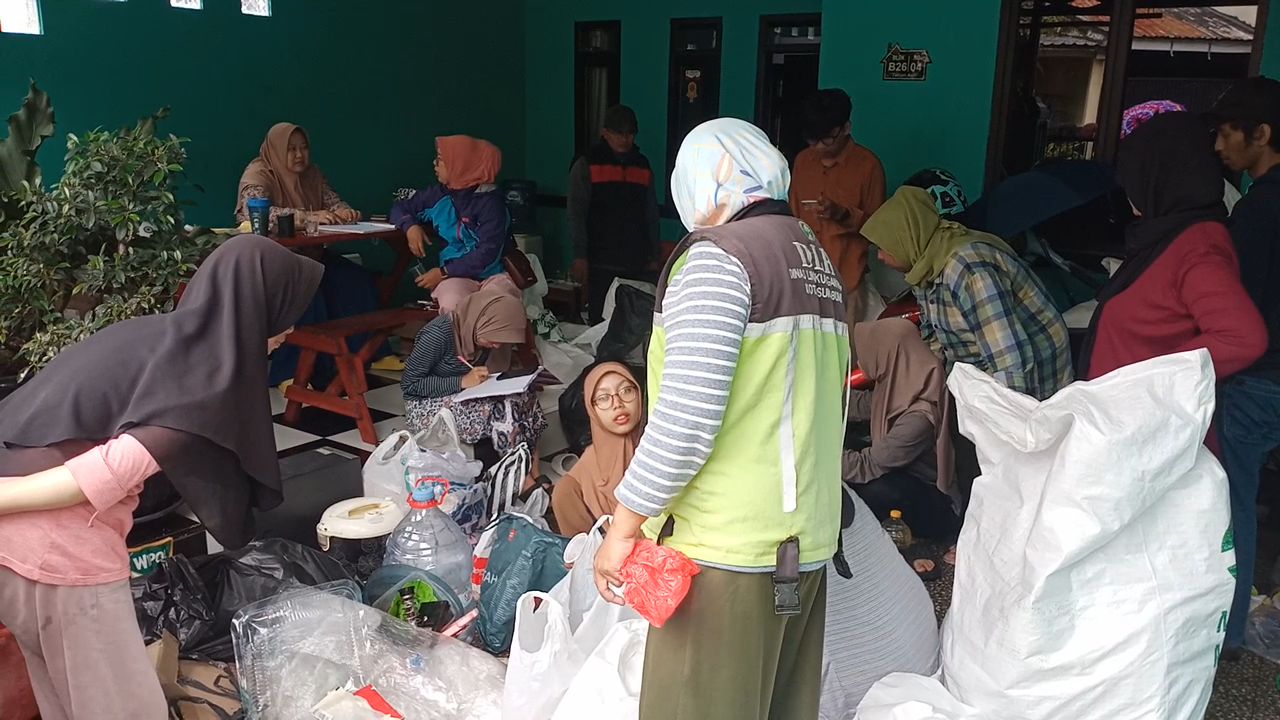
Families separate organic, recyclable, and residual waste at the source.

2

Waste separation & collection

Sorted waste is gathered through scheduled, community-run collection routes.

3

Sorting & recovery

Materials are sorted and prepared for resale, composting, or maggot cultivation.

4

Digital waste bank

Every transaction is recorded transparently against each household's account.

5

Recyclers & offtakers

Recovered materials are sold on to recyclers and downstream buyers.

6

Income + environmental impact

Proceeds return to households, closing the loop with income and avoided emissions.

Key Features

Built for households, designed for scale

Household waste collection

A community-based collection system built around existing neighborhood routines.

Digital waste banking

Transparent, auditable recording of every recyclable transaction.

Material recovery

Recovering valuable recyclables before they reach disposal.

Community engagement

Education, campaigns, and behavior-change programs led by local residents.

Climate impact tracking

Measuring waste diverted and emissions avoided against a clear baseline.

By the Numbers

Impact metrics dashboard

Figures from our pilot in RW 14, Kelurahan Subangjaya, Sukabumi — updated as the program grows.

100+
Households served
16.32 t
Waste diverted from landfill
21.9M IDR
Community income generated
1 RW
Active collection base
Sukabumi, West Java — expanding to neighboring RWs
CO₂e
Emissions avoided
Methodology in development alongside our full impact report
2024
Partner organizations
Local government, CSR, and grant partners — see Partners below
Global Goals

Aligned with the UN Sustainable Development Goals

SDG 11

Sustainable Cities

SDG 12

Responsible Consumption

SDG 13

Climate Action

SDG 17

Partnerships

Why WasteLoop

Grounded in community, built to replicate

Community first

Built with and for local communities, not imposed on them.

Circular economy

Waste becomes valuable resources instead of a disposal cost.

Climate resilience

Reducing pollution while improving urban resilience.

Scalable

Designed to replicate across neighborhoods and cities.

Recognition

Our journey so far

2024

BSU Mandiri established

Founded as a community-based waste bank in RW 14, Kelurahan Subangjaya, Sukabumi.

2024–2025

100+ households joined

Steady household participation growth through door-to-door engagement and education.

2025

16.32 tons of waste managed

Cumulative waste diverted from landfill through the community collection system.

2025

Selected for the Ma Earth Global Grant

Recognized for community-led circular waste management and climate resilience work.

2026

Developing the WasteLoop platform

Building the digital infrastructure to document, scale, and replicate the model.

Partners

Working alongside local institutions

BSU Mandiri
Kelurahan Subangjaya
Bank Sampah Induk Sukabumi
Vision 2030

Build a network of community-powered circular waste systems across Southeast Asia — enabling cities to reduce waste leakage, strengthen climate resilience, and create inclusive green economies.

Let's build circular cities together

Whether you're a city government, donor, investor, corporate partner, or community organization — we'd love to collaborate.

Get in Touch

Let's start a conversation

Reach out for grant collaboration, CSR partnership, or platform pilots.

Email
hello (at) bsumandiri.or.id
WhatsApp
+62 811-2222-059
Address
RW 14, Perumahan Taman Asri, Kel. Subangjaya, Kec. Cikole, Sukabumi, West Java